What a Clean Panel Change Actually Looks Like Inside
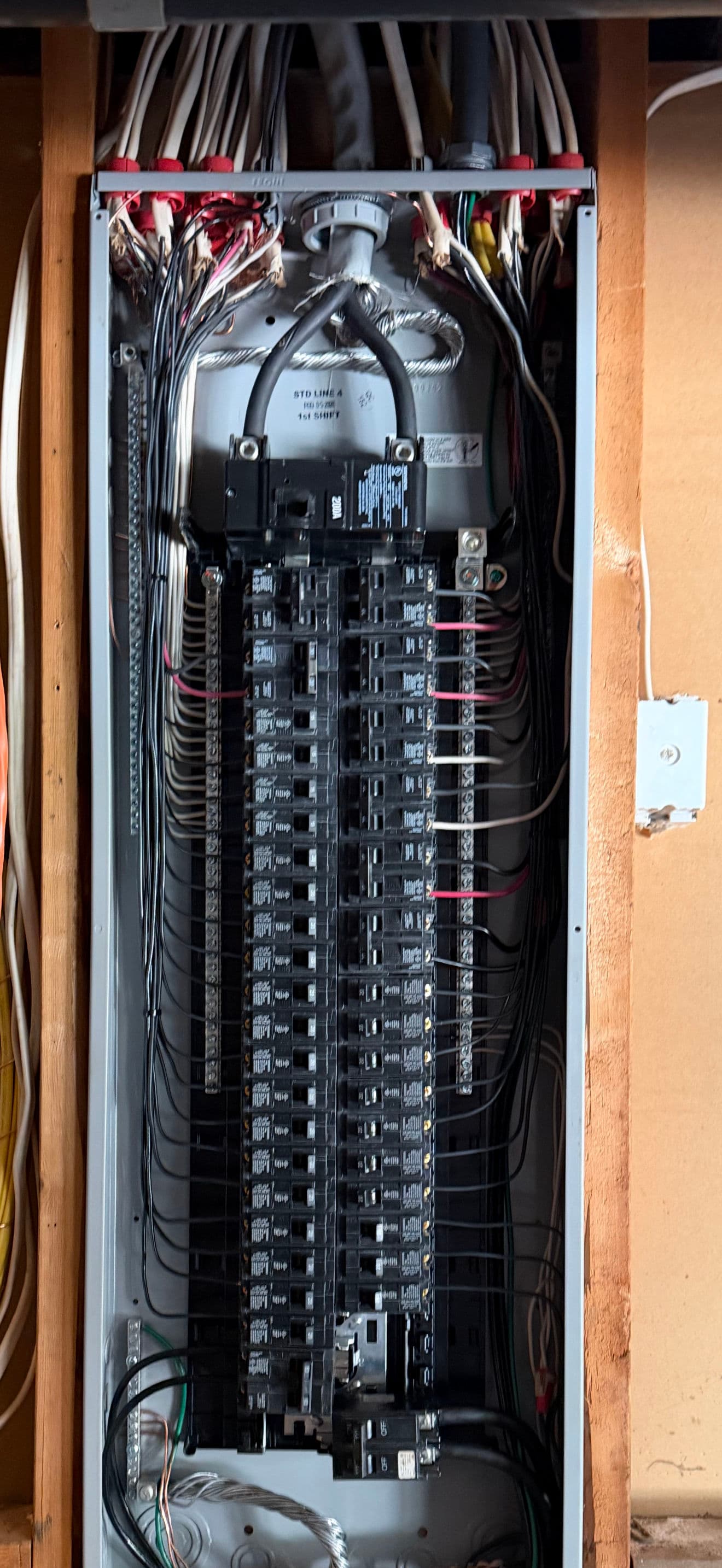
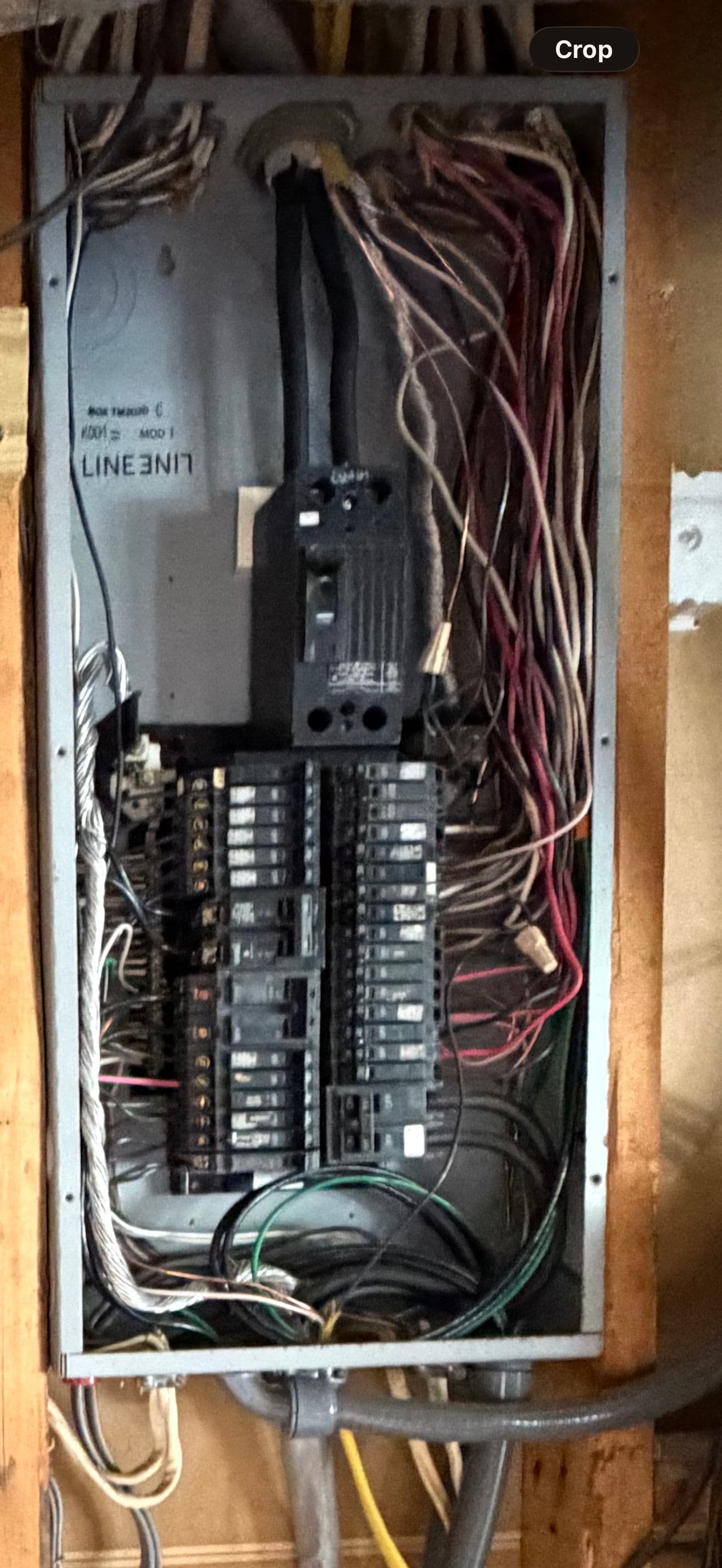
Most people never open their electrical panel. And honestly, that's fine - but it does mean a lot of folks have no idea what's going on inside. When a panel starts to fail, gets overloaded, or just reaches the end of its useful life, the wiring situation inside can get messy fast. Loose connections, overcrowded breakers, wires running every which way - it's the kind of thing that creates real problems over time.
Here's what we were working with on this one. The old panel was cramped, disorganized, and just not built for what the home needed anymore. Wires piled on top of each other, breakers that weren't set up properly - the kind of setup that works until it doesn't. A panel like that isn't just an eyesore. It's a liability.
We came in and did a straight panel change. No add-ons, no extras - just replacing the panel itself with a properly sized unit and making sure every wire found its right place. Clean routing, breakers seated and organized in a logical order, everything dressed neatly so future access is straightforward. That kind of workmanship matters more than most people realize. When an electrician or inspector opens that panel down the road, they should be able to read it at a glance.
A panel change done right gives your electrical system a solid foundation. Breakers that trip when they're supposed to. Wiring that isn't stressed or bundled in a way that generates heat. Capacity that matches what the home actually demands. It's not glamorous work from the outside, but the inside tells the whole story.
This is exactly the kind of job we take seriously - even when it's "just" a panel swap. Clean work inside the box means a safer, more reliable system behind every outlet, switch, and circuit in the house.